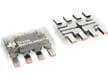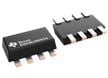

OPT4001DTSR

Texas Instruments
595-OPT4001DTSR
OPT4001DTSR

Mfr.:

Paglalarawan:
Ambient Light Sensors High-speed high-prec ision digital

ECAD Model:
I-download ang libreng Library Loader para i-convert ang file na ito para sa iyong ECAD Tool. Matuto nang higit pa tungkol sa ECAD Model.

Availability

Stock:
0

Mabibili mo pa rin ang produktong ito para sa backorder.

Inoorder:
4,605
Lead-Time ng Pabrika:
12
(na) Linggo Tinatayang oras ng paggawa sa pabrika para sa mga bilang na mas marami kaysa ipinakita.
Minimum: 1   Mga Multiple: 1
Presyo ng Unit:
₱-.--
Ext. Presyo:
₱-.--
Est. Taripa:
Packaging:
Buo Reel (Mag-order sa multiple ng 3000)

Presyo (PHP)

Dami Presyo ng Unit
Ext. Presyo
Cut Tape / MouseReel™
₱82.94 ₱82.94
₱71.34 ₱713.40
₱67.86 ₱6,786.00
₱62.06 ₱31,030.00
₱59.74 ₱59,740.00
Buo Reel (Mag-order sa multiple ng 3000)
₱55.91 ₱167,730.00
₱54.75 ₱328,500.00
₱53.53 ₱481,770.00
24,000 Quote
† ₱350.00 Idaragdag at kakalkulahin sa iyong shopping cart ang bayarin sa MouseReel™ Hindi makakansela at maisasauli ang mga order na MouseReel™

Katangian ng Produkto Value ng Attribute Pumili ng Attribute
Texas Instruments
Kategorya ng Produkto: Mga Ambient Light Sensor
RoHS:  
OPT4001
Reel
Cut Tape
MouseReel
Brand: Texas Instruments
Bansa ng Pag-assemble: Not Available
Bansa ng Diffusion: Not Available
Bansang Pinagmulan: PH
Maselan sa Moisture: Yes
Uri ng Produkto: Ambient Light Sensors
Dami ng Pack ng Pabrika: 3000
Subcategory: Optical Detectors & Sensors
Nahanap na mga produkto:
Para maipakita ang mga katulad na produkto, pumili ng kahit na isang checkbox man lang
Pumili ng kahit isang checkbox sa itaas para magpakita ng katulad na produkto sa kategoryang ito.
Mga Piniling Attribute: 0

Kailangang i-enable ang JavaScript para gumana ito.

CNHTS:
8542391010
CAHTS:
8542390000
USHTS:
8542390090
MXHTS:
8542399999
ECCN:
EAR99

OPT4001/OPT4001-Q1 Digital Ambient Light Sensor

Texas Instruments OPT4001/OPT4001-Q1 Digital Ambient Light Sensor (ALS) is a light-to-digital sensor that measures the intensity of visible light. The sensor's spectral response tightly matches the human eye's photopic response. A specially engineered filter on the device rejects near-infrared components from the common light sources to measure accurate light intensity.